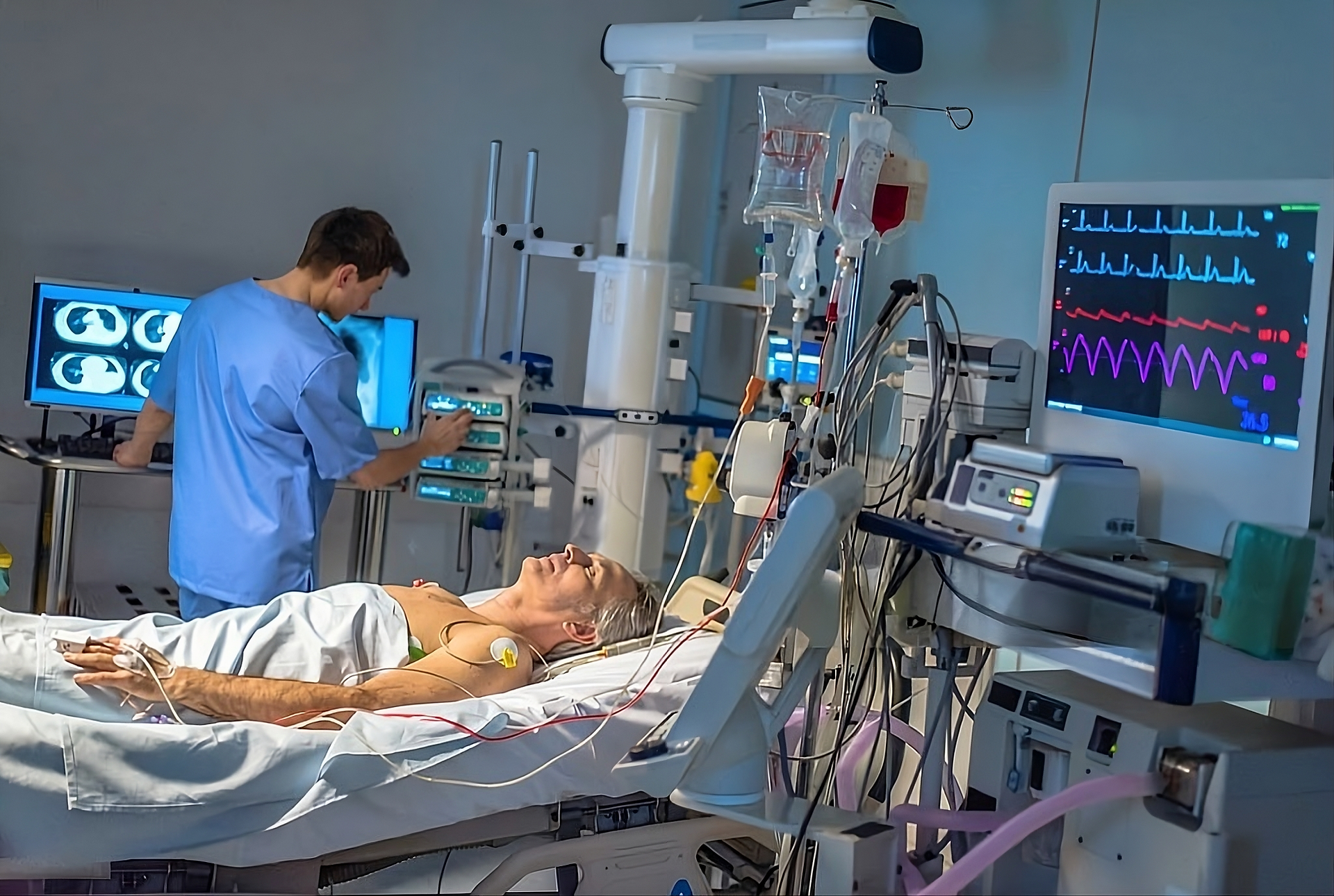

Post-Paralysis & Stroke Care at Home in Rajasthan: Bed-Sore Prevention, Feeding & 24/7 Caregiver Checklist
Bringing a loved one home after a brain stroke, spinal injury, or paralysis episode is an emotional milestone—and the first 90 days at home are critical for safe recovery. Without consistent repositioning, safe feeding, and assisted mobility, bedridden stroke patients face high risks of bedsores, aspiration pneumonia, and joint stiffness. With structured daily care and trained home attendants, families across Rajasthan can help their loved ones recover safely and comfortably at home.

Daily Hygiene & Bed-Sore (Pressure Ulcer) Prevention
When a patient has limited or no movement on one side (hemiplegia) or both legs (paraplegia), continuous pressure on the back, hips, and heels quickly damages skin tissue:
-
2-Hourly Repositioning Schedule: Gently turn the patient between left side, back, and right side every 2 hours using soft support pillows.
-
Anti-Decubitus Air Mattress: Use a medical alternating-pressure air mattress over a hospital Fowler bed to relieve continuous skin pressure.
-
Daily Sponge Bath & Skin Inspection: Keep skin clean, dry, and moisturized, checking bony areas (tailbone, shoulders, heels) daily for redness.

Safe Swallowing, Ryles Tube (NG) & PEG Feeding
Many stroke survivors experience swallowing difficulty (dysphagia) and require temporary or long-term tube feeding:
-
45-Degree Head Elevation: Always elevate the patient's head end to 45 degrees during feeding and keep them upright for at least 30–45 minutes afterward to prevent aspiration.
-
Hygienic Tube & Oral Care: Flush the Ryles tube with clean water before and after every feed, and maintain daily oral hygiene to prevent chest infections.
-
Strict Intake & Output Charting: Record daily fluid intake, feed timings, and urine/bowel output to share with your neurologist or physician.
Passive Physiotherapy, Catheter Care & Emotional Support
-
Daily Range-of-Motion Exercises: Gentle passive limb movements (guided by your physiotherapist) prevent muscle contractures and improve circulation.
-
Urinary Catheter & Diaper Hygiene: Keep catheter bags below bladder level, avoid kinks in tubing, and maintain sterile perineal hygiene to prevent UTIs.
-
Patience & Dignity: Speech and mobility recovery takes time—calm, respectful encouragement from a dedicated caregiver reduces patient anxiety and depression.
When to Hire a Trained Caretaker vs. a Clinical Nurse
-
Trained 24/7 Patient Caretaker: Ideal for mobility assistance, 2-hourly turning, sponge bathing, diaper care, feeding support, and medication reminders.
-
Qualified Home Nurse (GNM / B.Sc.): Essential if the patient has a Ryles tube, tracheostomy, urinary catheter, IV medications, or fluctuating blood pressure/sugar.
-
At MED EXPert CARE, our coordination team supports families across Ajmer, Jodhpur, Jaipur, Udaipur, Kota, and Bhilwara with background-verified caretakers and nurses for 12-hour and 24-hour home duty.

Visit Services
Request a nurse for
Injections, Drip, Catheter, Enema, Cannula, Dressing, Stitches, B.P. & Sugar Check, Blood Sample Collection

Medical Equiptments
Contact Us & Pre- Arrange
medical equipments setup
at your home.
Our staff will guide you setting up with the right equipments at your home, as per the requirement of the patient's condition.